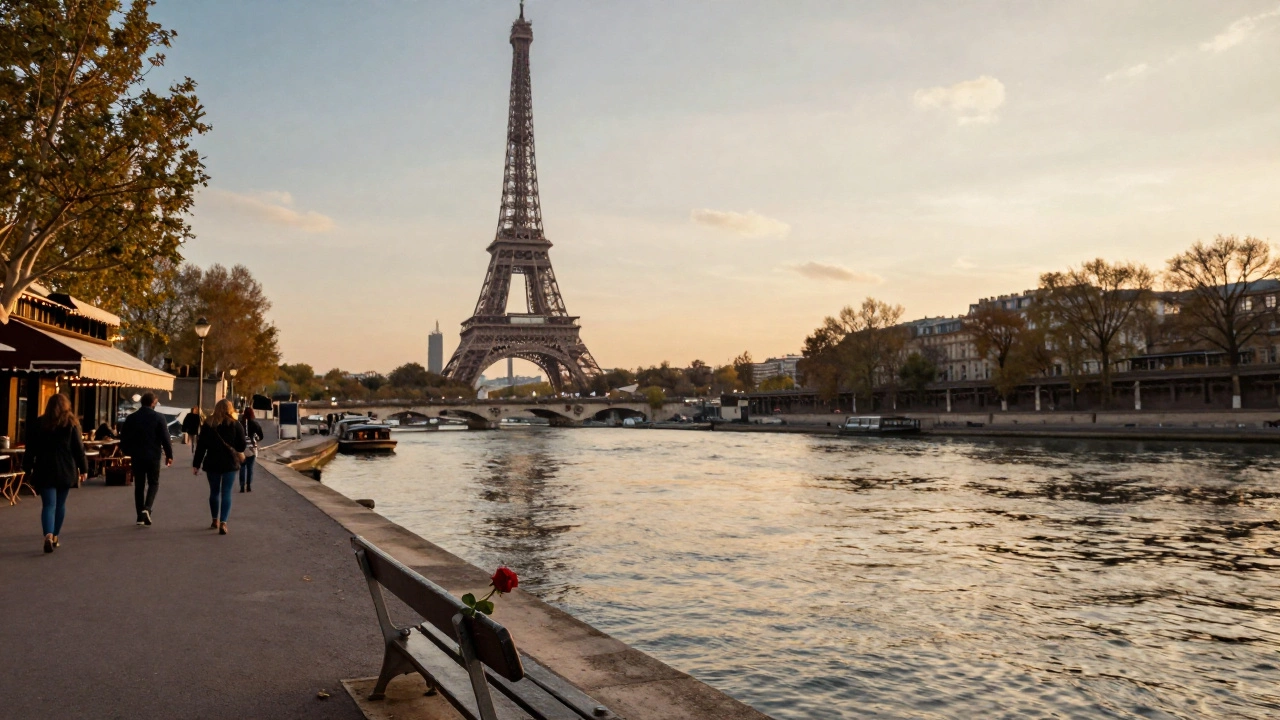
France isn’t just a country on a map-it’s a feeling. The scent of fresh baguettes in the morning air, the quiet hum of a café in Montmartre, the way sunlight hits the Seine at golden hour. Every year, over 90 million visitors come here, not because they were told to, but because they felt it in their bones. People visit France because of its beauty, culture, and history-and not one of those things can be fully understood from a photo or a travel blog.
Paris, the heart of it all, draws crowds like a magnet. Whether you're standing under the Eiffel Tower at dusk or wandering the halls of the Louvre, there’s a rhythm here that pulls you in. Some travelers come for art, others for fashion, and a few, surprisingly, for services like paris escorts, seeking connection in a city where loneliness can feel louder than the crowd. But even those who come for reasons outside the typical tourist path still end up walking past Notre-Dame, sipping wine in Saint-Germain, or getting lost in the Marais-and that’s when France really gets under their skin.
The Beauty That Doesn’t Need a Filter
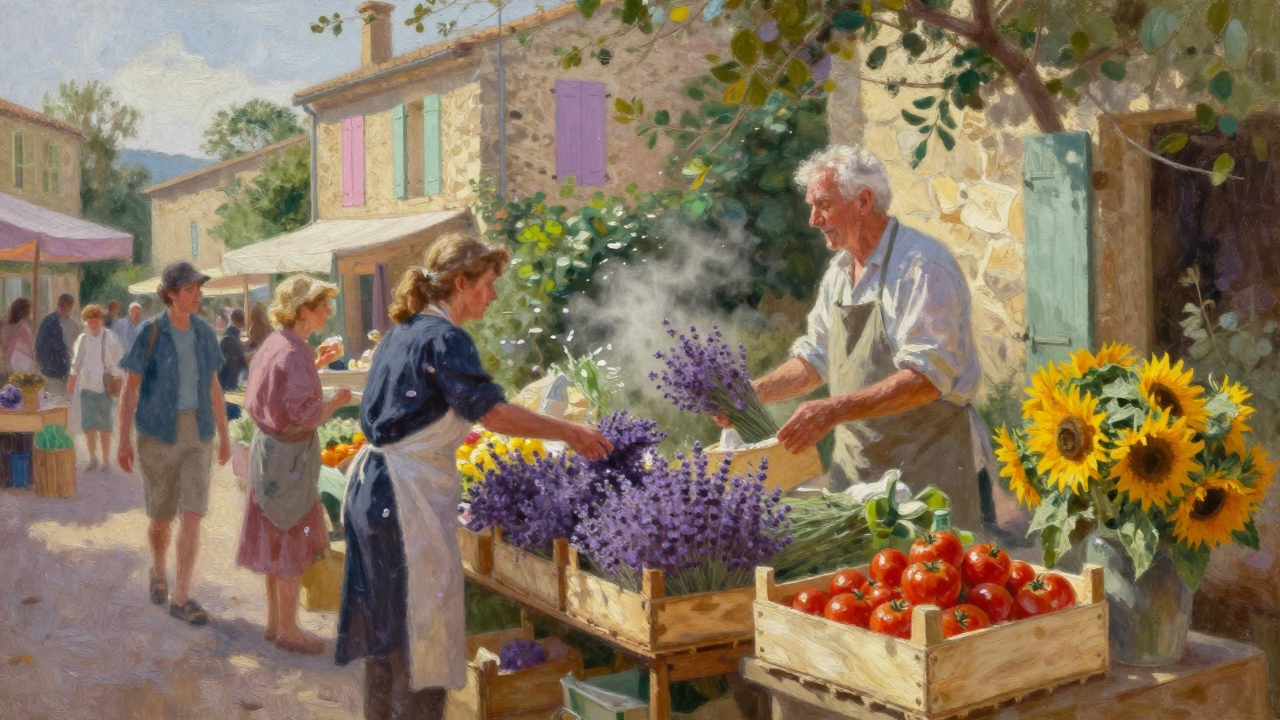
France’s landscapes aren’t curated for Instagram. They’re lived in. The lavender fields of Provence don’t bloom just for tourists-they’re part of a centuries-old farming tradition. The cliffs of Étretat aren’t just dramatic-they’re shaped by centuries of wind and sea, and locals still fish from their rocky shores. Even the vineyards of Bordeaux aren’t just pretty rows of grapes; they’re family businesses passed down for generations, where the wine tastes like time itself.
And it’s not just the countryside. The streets of Lyon, the canals of Strasbourg, the quiet alleys of Annecy-they all feel real. There’s no stage set here. No fake facades. Just stone buildings that have seen kings, revolutions, and everyday life for hundreds of years. You don’t need to pay to see the best of France. You just need to walk slowly, look up, and listen.
Culture That Lives in the Details
French culture isn’t found in brochures. It’s in the way a baker knows exactly how long to let the dough rise. It’s in the way a mother in Marseille teaches her daughter to make ratatouille the same way her grandmother did. It’s in the silent nod between strangers on a metro platform-no words needed, just mutual respect.
Art isn’t locked away in museums here. It’s on the walls of apartment buildings, in the graffiti of Belleville, in the street musicians playing jazz near the Pont Alexandre III. You can walk into a small bookstore in the 5th arrondissement and find a first edition of Camus next to a zine made by a teenager in Montpellier. The culture doesn’t demand attention-it invites you in.
And yes, even the quirks matter. The two-hour lunch breaks. The refusal to serve tap water unless you ask. The way cashiers still say “Bonjour” before you even speak. These aren’t annoyances-they’re rituals. They’re how France remembers who it is.
History That Still Breathes
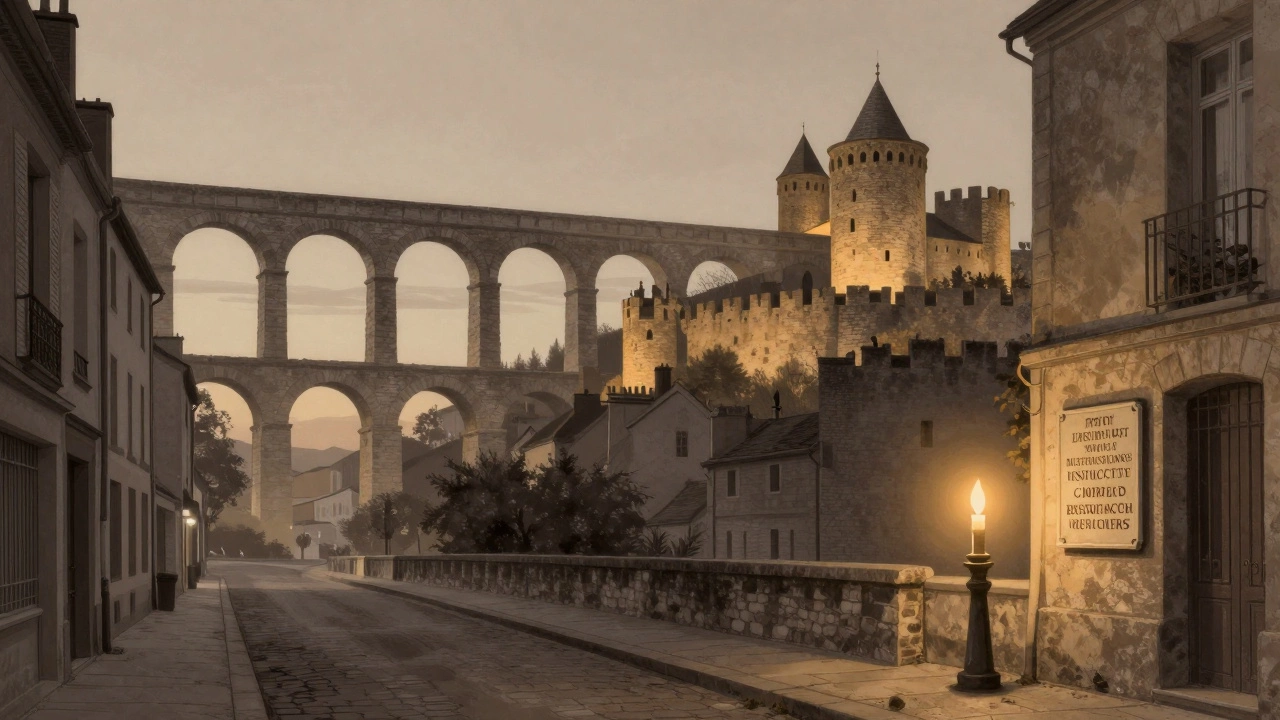
France doesn’t keep its past behind glass. It walks beside you. In the streets of Lyon, you can trace Roman aqueducts under modern sidewalks. In the Loire Valley, châteaux built for kings now host farmers’ markets. The walls of Carcassonne still bear the scars of medieval sieges-and locals still hold festivals on the ramparts every summer.
Even the darker chapters aren’t buried. The Holocaust memorials in Paris, the plaques marking where Resistance fighters were shot, the preserved cells in the Conciergerie-these aren’t just tourist stops. They’re places where people pause, sometimes in silence, sometimes with tears. History here isn’t a chapter in a textbook. It’s part of the air you breathe.
And then there’s the Revolution. Not just the history of it, but the idea of it. The belief that people can change things. That’s still alive-in the student protests in Nantes, in the union strikes in Marseille, in the way French citizens still debate politics over coffee like it’s their birthright.
Why France Stays With You
People don’t leave France the same way they arrived. Maybe it’s because you finally understood why the cheese tastes different here. Or why the bread doesn’t need butter. Or why a stranger offered you directions even though you didn’t ask.
Some come for the romance. Others for the food. A few might stumble into services like paris escorts looking for something they can’t name. But almost everyone leaves with something they didn’t expect: a quiet sense of belonging. Not because they found it in a hotel or a tour group-but because they found it in a moment. A sunset over Mont-Saint-Michel. A conversation with a shopkeeper who didn’t speak English. The taste of a perfect croissant on a Tuesday morning in the 12th arrondissement.
That’s why people return. Not because they missed the Eiffel Tower. But because they missed the silence between the bells of Sainte-Chapelle. The smell of rain on cobblestones. The way a French person says “merci” like it’s a gift, not a formality.
The Real France Isn’t in the Guidebooks
You won’t find it in the top 10 lists. Not in the Instagram reels. Not even in the Michelin stars. The real France is in the small towns where the baker still opens at 5 a.m. and the post office closes at noon because the clerk needs to pick up his kids. It’s in the farmers’ markets where you pay in cash and the vendor remembers your name.
It’s in the quiet corners of Paris-like the Jardin du Luxembourg at 7 p.m., when the last students leave and the old men play chess without speaking. Or the alley behind the Musée d’Orsay where someone left a single red rose on a bench. Or the train ride from Lyon to Grenoble, where you sit next to a woman who doesn’t speak English but smiles when you point to the snow-capped peaks.
And yes, even in places like escort paris 12, where people seek connection in a city of millions, there’s still a thread of humanity. Not because it’s expected, but because France, in all its contradictions, still believes in presence.
That’s what keeps people coming back. Not the landmarks. Not the fashion. Not even the wine.
It’s the quiet truth that France lets you feel something real.
What You’ll Miss If You Only See the Highlights
If you skip the small towns, you miss the real rhythm of France. If you only eat at Michelin-starred restaurants, you miss the joy of a $3 sandwich from a corner boulangerie. If you only visit during summer, you miss the crisp quiet of autumn in Alsace, when the vines are bare and the air smells like woodsmoke.
And if you think France is just Paris, you’re missing the entire country. The Alps aren’t just for skiing. The Basque Country isn’t just for paella. The Camargue isn’t just for flamingos. Each region has its own language, its own food, its own heartbeat.
That’s why the most meaningful trips aren’t the ones with the most photos. They’re the ones where you got lost, ate something unfamiliar, and didn’t know the word for “thank you”-but still felt understood.
France doesn’t ask you to understand everything. It just asks you to be there.
And if you’re lucky, it’ll let you stay a little longer than you planned.
Even in places like escort paris 17, where the lines between tourist and local blur, there’s still a pulse. A rhythm. A reason.